

 By
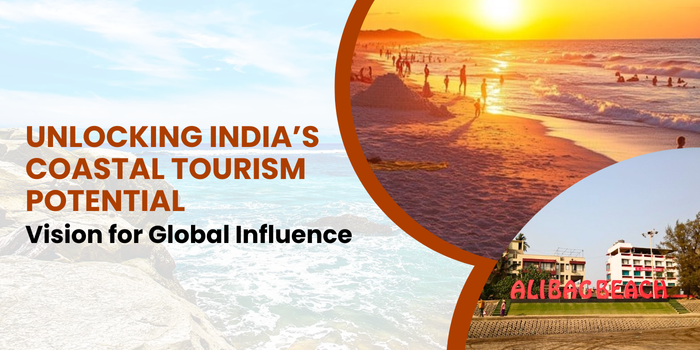
By India’s 7,500+ km long coastline is an untapped treasure for economic growth, sustainable tourism, and global influence. From Alibaug tourism on the west coast to the serene backwaters of Kerala, coastal destinations are brimming with opportunities. At the heart of this vision lies Hiranandani Sands Alibaug, a master-planned coastal township that aims to redefine India’s tourism and hospitality landscape.
Why Coastal Tourism In India Is A Game-changer?
The Indian coastal tourism sector has immense potential to set benchmarks for integrated, world-class development. Coastal regions like Alibaug, Goa, Kerala, and the Andaman Islands are already attracting global travelers, but with planned infrastructure, they can be transformed into year-round international hubs.
Hiranandani Sands Alibaug: Redefining Coastal Real Estate And Tourism
Hiranandani Sands Alibaug is not just another luxury real estate project; it is envisioned as a tourism-driven coastal township that seamlessly integrates lifestyle, culture, and commerce. Designed to create unforgettable experiences, this project offers:
- World-class hospitality and luxury vacation homes
- Villas and wellness retreats for holistic living
- Waterfront high-street retail for shopping and leisure
- Adventure hotspots and thrilling water sports
- Cultural & convention event hubs for weddings and MICE tourism
- Premium concierge services for global travelers
This initiative positions Alibaug tourism as a world-class destination while also acting as a strong economic driver.
How Coastal Tourism Boosts India’s Economy
By attracting high-spending international travelers, projects like Hiranandani Sands Alibaug can trigger a multiplier effect across sectors. The impact of coastal tourism in India includes:
- Massive job creation across hospitality, retail, and allied industries.
- Stimulating local entrepreneurship through small businesses, restaurants, and cultural experiences.
- Enhancing India’s global brand equity as a preferred tourism and investment destination.
Tourism As India’s Soft Power
Tourism is more than just leisure—it is a strategic soft power tool. As Mr. Amitabh Kant (Ex-CEO of NITI Aayog) rightly said, tourism has the potential to counterbalance global trade disruptions and macroeconomic shocks.
Since it connects to aviation, hospitality, F&B, retail, and Indian coastal real estate, tourism has a far-reaching ripple effect, strengthening both economic stability and global influence.
India’s Tourism Richness Edge
India already has a competitive advantage with its diverse tourism offerings:
- Cultural Tourism – Heritage sites, ancient monuments, and traditions.
- Coastal Tourism – Alibaug, Goa, Kerala, and the Andamans attracting global tourists.
- Spiritual Tourism – Pilgrimage hubs like Varanasi, Rishikesh, and Mahabalipuram.
- Medical & Wellness Tourism – Affordable world-class healthcare embedded in cultural landscapes.
- Architectural Tourism – Palaces, forts, and historic marvels.
This diversity ensures that India tourism potential extends beyond beaches—it represents a complete experience for global travelers.
Why The Post-covid Era Favors Indian Coastal Tourism
Global travelers are once again looking toward India’s coastal tourism destinations for safe, immersive, and affordable experiences. With strategic infrastructure investment, tax incentives, and investor-friendly policies, projects like Hiranandani Sands Alibaug can make India a global leader in sustainable tourism.
Alibaug As A Model For Coastal Development
The Alibaug initiative demonstrates how tourism, hospitality, and real estate can come together to create transformative outcomes. By scaling such integrated projects, India can:
- Empower local communities
- Create sustainable livelihood opportunities
- Strengthen bilateral cultural ties
- Position itself as a global tourism leader
Frequently Asked Questions
1. Why Is Coastal Tourism Important For India’s Economy?
Coastal tourism drives massive job creation, stimulates local businesses, boosts real estate value, and attracts global travelers, making it a key contributor to India’s GDP.
2. What Makes Alibaug Tourism Special?
Alibaug, with its pristine beaches and proximity to Mumbai, is emerging as a luxury coastal destination. Projects like Hiranandani Sands Alibaug add world-class hospitality, villas, and adventure tourism to its appeal.
3. How Does Hiranandani Sands Alibaug Contribute To Tourism Growth?
By integrating hospitality, real estate, retail, wellness, and adventure tourism, Hiranandani Sands Alibaug creates a holistic ecosystem that attracts both domestic and international travelers.
4. Can Tourism Really Be Considered A Soft Power Tool For India?
Yes. Tourism enhances India’s cultural image, strengthens bilateral relations, and fosters goodwill globally while providing significant economic benefits.
5. What Are India’s Biggest Advantages In Tourism?
India has a unique combination of cultural heritage, coastal destinations, spiritual hubs, wellness retreats, and architectural marvels, making it one of the richest tourism destinations worldwide.
Discover more from Niranjan Hiranandani
Subscribe to get the latest posts sent to your email.